It's one of the most frustrating situations in fitness: you've cleaned up your diet, cut the takeaways, swapped crisps for nuts and soda for sparkling water — and the scale still won't budge. It feels deeply unfair, and it pushes people to do the worst possible thing: eat even less and blame their metabolism. The real explanation is almost always simpler, and fixable.
‘Healthy’ is not the same as ‘low calorie’
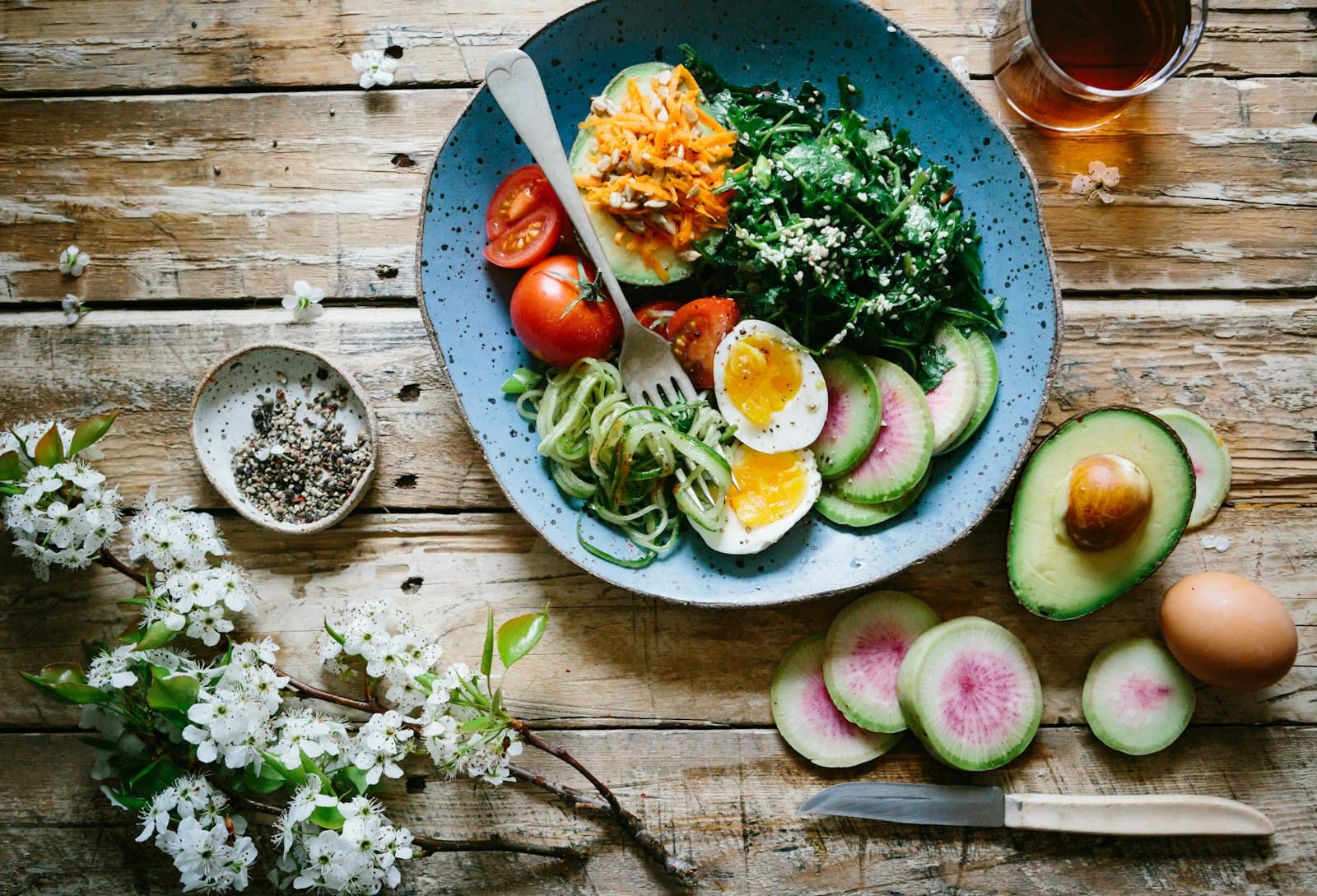
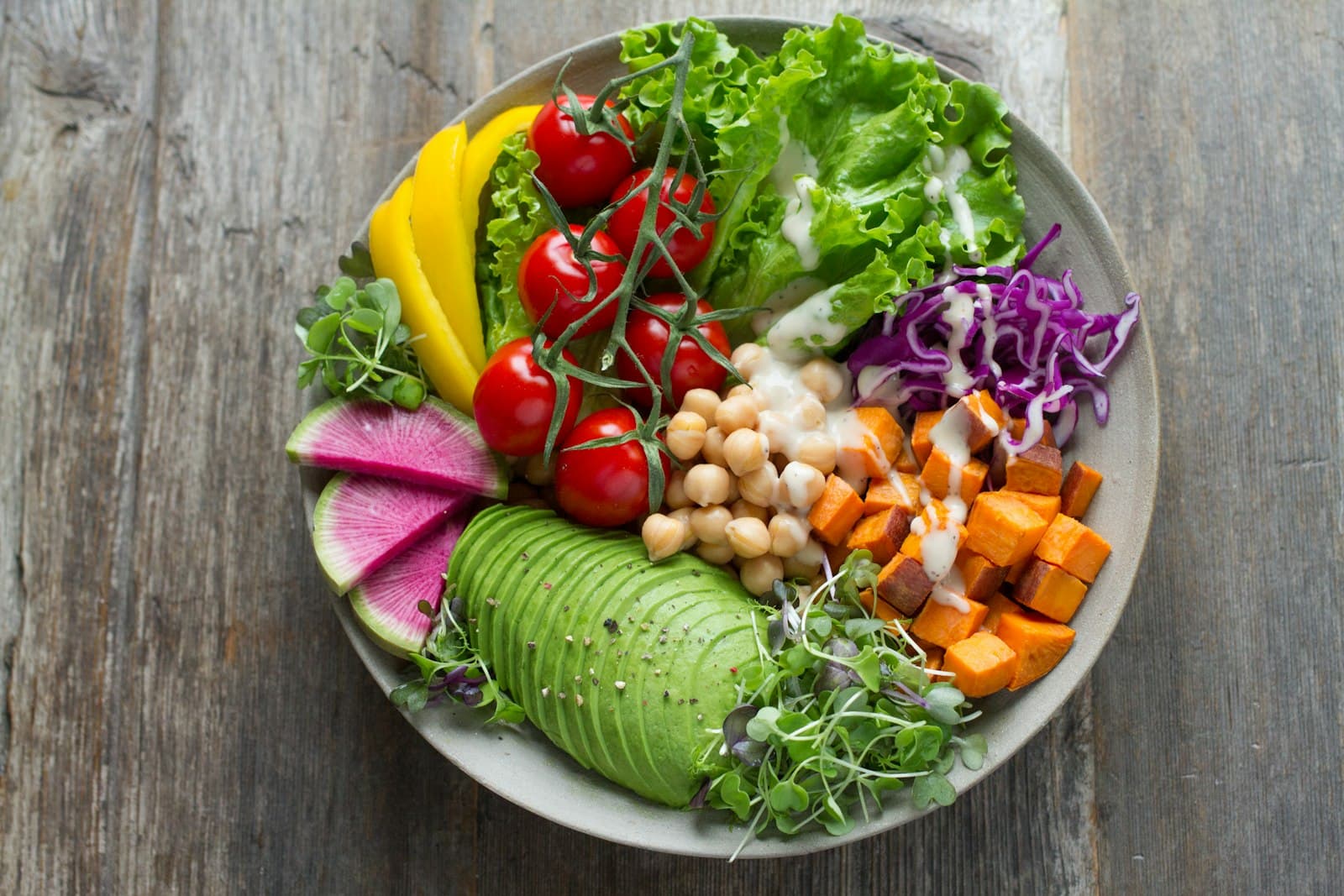
Here's the truth that unlocks everything: fat loss is governed by total calories, not by how virtuous the food is. Olive oil, avocado, nuts, granola, honey, salmon, smoothies — all genuinely healthy, all genuinely calorie-dense. Two tablespoons of olive oil is around 240 calories. A handful of almonds, 200. A ‘healthy’ smoothie can hit 600 before lunch.
You can build a 3,000-calorie day entirely from wholefoods and wonder why you're not losing fat. Eating clean improves your health, satiety, and energy — but if the total lands above maintenance, you won't lose weight. Clean food and a calorie surplus are not mutually exclusive.
The four usual suspects
When a healthy eater stalls, it's nearly always one (or several) of these:
- Underestimated portions. Most people unconsciously undercount by 20–40%, especially calorie-dense foods. ‘A drizzle’ of oil, ‘some’ peanut butter, ‘a bit of’ cheese — these add up to hundreds of hidden calories. Weighing food for even one week is genuinely eye-opening.
- Liquid calories. Smoothies, lattes, fresh juice, kombucha, alcohol. They're easy to pour and easy to forget, and they don't fill you up the way solid food does. A daily oat-milk latte and a weekend bottle of wine can quietly erase a deficit.
- The weekend reset. Five disciplined days can be undone by two relaxed ones. A surplus of 1,500 calories across Saturday and Sunday wipes out a 300/day deficit from Monday–Friday. The week nets to zero — and the scale agrees.
- Untracked extras. The bites, licks, and tastes while cooking. The kids' leftovers. The ‘just one’ square of chocolate. Individually trivial, collectively a meal.
Why ‘eating even cleaner’ backfires
The instinct when stalled is to restrict harder — cut carbs, skip meals, go stricter. This usually makes things worse: it spikes hunger, tanks energy and training quality, and sets up the binge that undoes the extra restriction. You end up more miserable and no leaner.
The problem was never that your food wasn't clean enough. It's that the total was too high. The solution is precision, not severity.
The two-week honesty audit
Before changing what you eat, find out what you're actually eating. For two weeks:
- Establish a real maintenance number. Use our calorie calculator for a lean-mass-based starting estimate, then let the scale trend confirm or correct it.
- Track honestly — including the oil, the latte, the weekend, the bites. Weigh the calorie-dense stuff.
- Judge the weekly average, not daily weigh-ins.
Nine times out of ten, the audit reveals the gap immediately — a few hundred calories you didn't know were there. Close that gap and the scale moves, without you giving up a single genuinely healthy food.
The bottom line
You're not broken, and your metabolism almost certainly isn't either. Healthy eating is the right foundation — it just doesn't override energy balance. Measure honestly for two weeks against a real maintenance figure, plug the hidden leaks, and the results follow.
If you'd rather have a coach measure it properly and build the plan around your real numbers, book a free consultation.