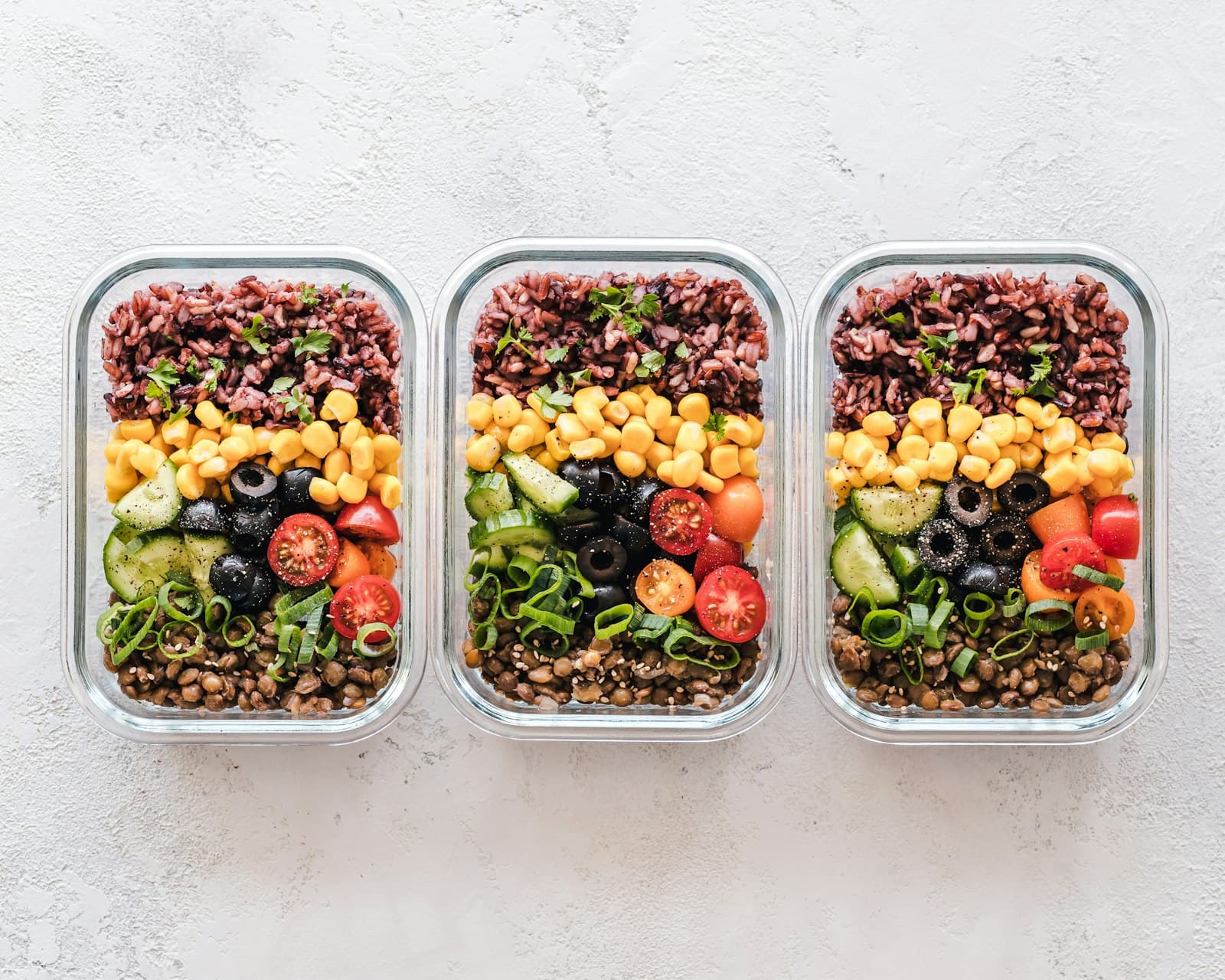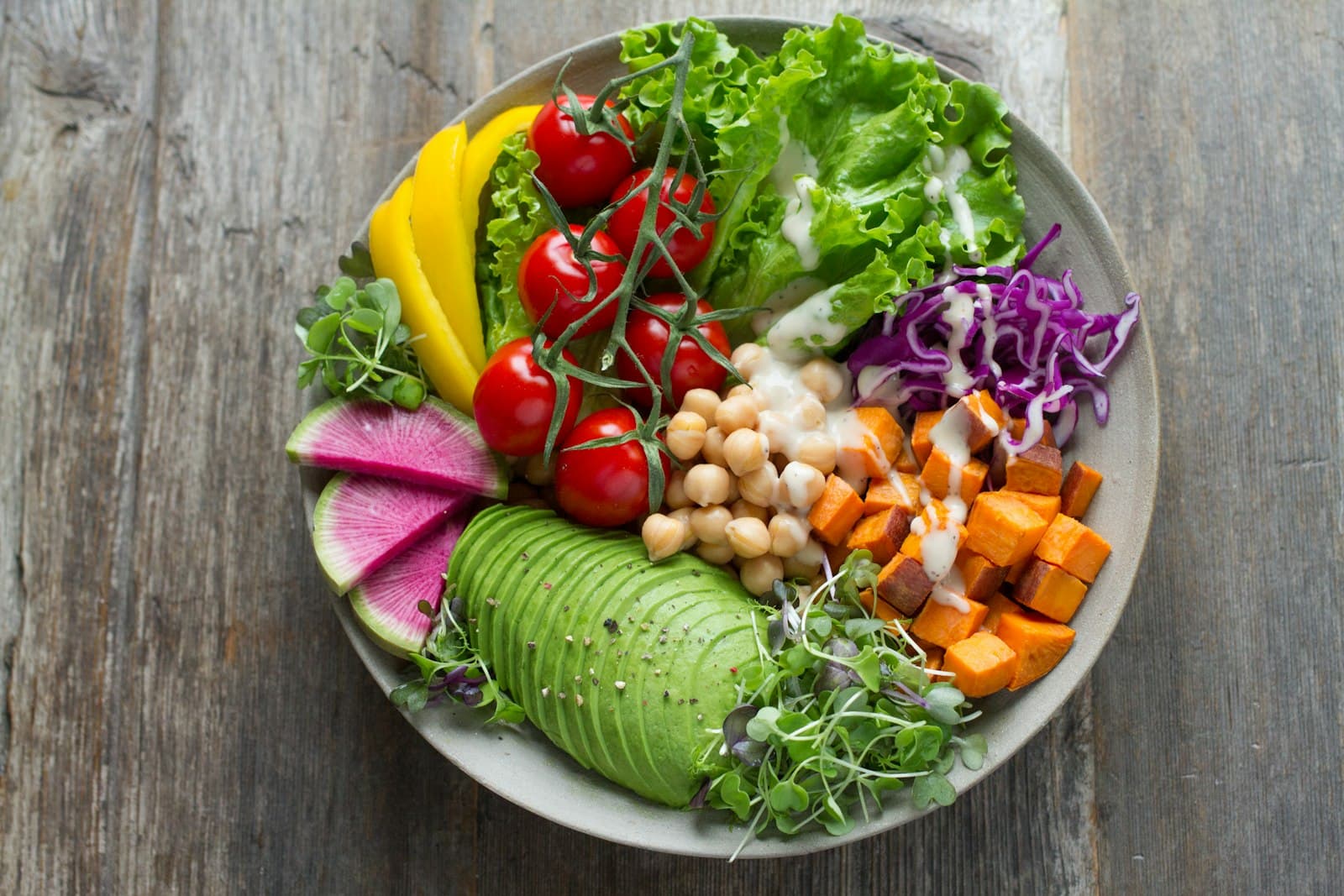
If calories decide whether you lose weight, macros decide what kind of weight you lose. Get your macros right and the scale drops while you keep — or even build — muscle. Get them wrong and you can lose weight while looking softer, not leaner. Same calories, completely different body.
This article will teach you three things: what each macronutrient actually does inside your body, the correct order to set them in (almost everyone does it backwards), and how to hit them in real life without turning every meal into a maths exam.
What macros actually are — and why they're not interchangeable
Your three macronutrients each do a fundamentally different job. They are not just "calories with different labels":
- Protein — the building and repair material for muscle. It preserves muscle in a deficit, builds it in a surplus, keeps you fullest of the three, and has the highest thermic effect (your body burns roughly 20–30% of protein's calories just digesting it, versus ~5–10% for carbs and fat).
- Fat — essential for hormone production (including testosterone and oestrogen), nutrient absorption, and cell health. Drop it too low for too long and your hormones, mood, and recovery suffer.
- Carbohydrate — your body's preferred training fuel. Carbs refill muscle glycogen, which powers hard sets and protects performance. They're also the most psychologically satisfying macro for most people.
They carry different energy too: protein and carbs are 4 kcal per gram, fat is 9 kcal per gram. That's why a "small" amount of fat adds up fast. Your macro split is simply how you divide your daily calorie target across these three — but the order you decide them in matters enormously.
Step 1: set protein first (the non-negotiable)
Protein is the anchor. Set it before anything else, from your lean body mass rather than total weight — typically 2.0 to 2.8 grams per kilogram of lean mass. Lean mass = bodyweight − (bodyweight × body-fat %). Setting it from lean mass stops you over-prescribing protein for someone carrying a lot of fat.
Aim toward the higher end (2.4–2.8 g/kg) when you're dieting hard, because the deeper the deficit, the more muscle is at risk and the more protein's protective effect matters. This single decision is the biggest lever you have over whether your diet produces a lean physique or just a lighter one.
Step 2: set fat next
Fat should be a share of your total calories — usually 25% to 45%. There's a floor here worth respecting: going much below ~0.6 g per kg of bodyweight for extended periods can blunt hormone production. Within the healthy range, the split is preference-driven:
- Lower fat (25–30%) leaves more room for carbs — excellent if you train hard and feel better fuelled.
- Higher fat (35–45%) suits people who prefer fewer carbs, feel steadier on them, or eat more fatty whole foods.
Neither is magic. Carbs and fat are interchangeable for fat-loss purposes as long as protein and total calories are locked. Choose the split you'll actually enjoy and sustain.
Step 3: carbs get the rest
Once protein and fat are set, every remaining calorie becomes carbohydrate. Carbs are not the enemy — they're the fuel that makes your training productive and your diet liveable. Whatever calories are left after protein and fat, divide by 4 to get your carb grams. If that number feels low, claw some back by lowering your fat percentage — don't cut protein.
A worked example
Take an 82 kg person at 20% body fat aiming for fat loss on a 2,300 kcal target:
- Lean mass: about 66 kg → protein at 2.8 g/kg = roughly 185 g (740 kcal)
- Fat at 25% of 2,300 kcal = about 64 g (575 kcal)
- Carbs from the remaining 985 kcal ÷ 4 = around 245 g
That's a balanced, high-protein split that fuels training and shields muscle in a deficit. Notice the logic flows in one direction: protein and fat are set, carbs are the remainder. Reverse it and protein — the thing that actually protects your results — becomes an afterthought.
The myth worth killing: "carbs after 6pm make you fat"
Meal timing, carb timing, eating windows — these are rounding errors next to your daily totals. Decades of controlled research are clear: total daily protein and calories drive body composition; when you eat them barely matters for most people. Eat in the pattern that helps you adhere — three meals, five meals, a late dinner because that's when your family eats. Adherence beats timing every single time.
Hitting your macros in real life
The split is the easy part. The skill is hitting it consistently around work, travel, restaurants, and social life — which is where most people fall off. A few habits make it almost automatic:
- Anchor every meal with a protein source first, then build carbs and fat around it. Hit protein and the rest tends to fall into place.
- Learn a handful of "default" meals you can repeat without thinking. You don't need infinite variety, you need reliable wins.
- Aim for "close enough, often enough" — landing within ~10 g of each target most days beats chasing perfection and burning out by Thursday.
Skip the maths
You don't need to do any of this by hand. Our free macro calculator sets protein from your lean mass, lets you choose your fat percentage, and fills in carbs automatically — with a visual breakdown of the split. Adjust the diet style and watch the macros update live.
That's the difference between a number on a screen and a plan that works. If you want help turning your macros into meals that fit your actual week — including the business dinners and the travel — book a free consultation.