Finding a personal trainer in Amsterdam is easy. Finding the right one — the one who actually changes your body and your habits — is another matter entirely. The wrong choice costs you months and hundreds of euros; the right one is among the best investments you'll ever make. This guide gives you the exact questions to ask, the red flags to walk away from, and what genuinely premium coaching looks like.
The problem with most personal trainers
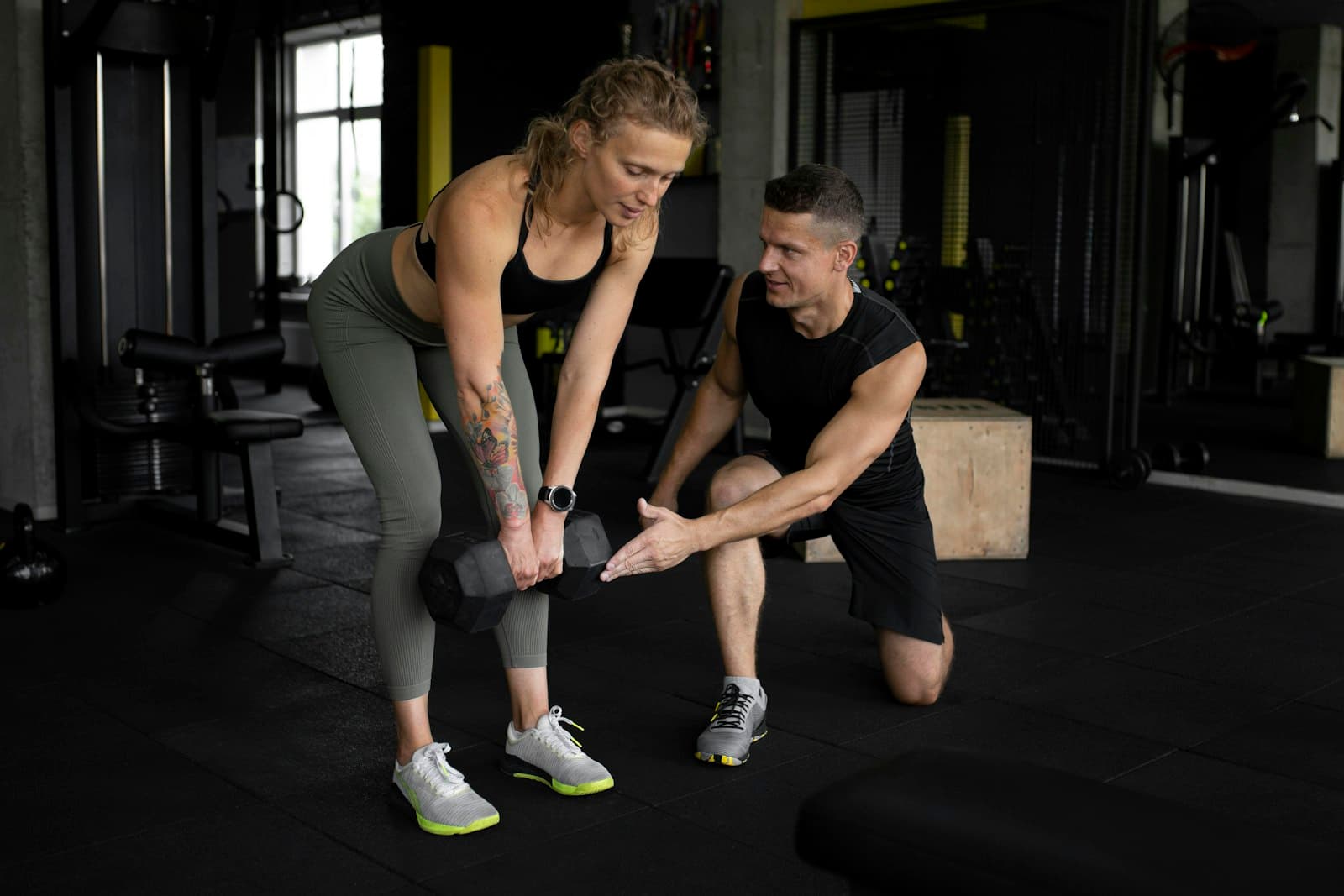
Walk into any commercial gym in Amsterdam and you'll find PTs offering session packages. But the gap between a trainer who hands you a generic programme and counts your reps, and a coach who engineers your transformation, is enormous — and that gap shows up directly in your results.
The uncomfortable truth is that personal training is a lightly regulated industry. A weekend certification is enough to start charging premium rates, and plenty do. The skill ceiling between practitioners is vast, and from the outside they can look identical. Knowing what to ask is how you tell them apart before you've paid for twelve sessions.
The one question that reveals everything
If you ask a prospective trainer only one thing, make it this: "How will you measure my progress?"
Most will answer with "we'll see how you're feeling" or "we'll take some progress photos." That's not measurement — that's guessing dressed up as coaching. The trainers who produce consistent, repeatable results track body-fat percentage, lean muscle mass, and key health markers on a fixed schedule, and they use that data to drive decisions. A coach who measures can tell you in week three whether the plan is working. A coach who doesn't is flying blind and hoping.
5 questions to ask before you hire
1. Do you write programmes individually, or do you use templates? A red flag: any trainer who gives you the same programme they gave the last ten clients. Your programme should reflect your body, your training history, your injuries, your schedule, and your goals. Ask to see how they'd adapt it if you told them your knee can't tolerate deep squatting — a good coach has an immediate, specific answer.
2. How will you handle my nutrition? If a trainer separates training from nutrition entirely, they're ignoring the half of the equation that drives most of your result. The best coaches provide personalised nutrition guidance and update it based on your progress data. You cannot out-train a diet that isn't working.
3. What's your approach to accountability between sessions? A session once a week with silence in between isn't coaching — it's expensive gym supervision. The real work happens in the 23 hours a day you're not with your trainer. Look for genuine check-ins, direct messaging access, and a coach who actually cares what you do on a Tuesday night.
4. Can I see your client results — with data? Not just Instagram posts. Real transformations with before/after measurements and timeframes. Any credible coach will have these and will happily talk you through them, including the clients who were hardest to crack.
5. What happens when I plateau? Every client stalls eventually. What separates average trainers from great ones is the response. Do they systematically adjust the programme, revisit nutrition, and investigate sleep and stress? Or do they shrug and tell you to "try harder"? The answer tells you whether they actually understand the process or are improvising.
Credentials and red flags
Beyond the questions, a few practical signals:
- Look for recognised qualifications and continued education, specific specialisations (fat loss, strength, rehab), and clear professional liability insurance.
- Walk away from anyone who promises a fixed number of kilos in a fixed number of weeks (bodies don't read scripts), pushes expensive supplement "stacks" as central to the plan, or can't explain why they program the way they do.
A polished social-media presence is marketing, not evidence. Follower count has no relationship to coaching skill.
What premium training actually looks like
At the highest level, everything is systematised rather than improvised:
- Weekly body-composition testing — not monthly, not "whenever" — using precise measurements to guide every programme decision
- Real-time programme updates — if the data shows you're not responding, the programme changes that week, not next month
- Nutrition precision — guidance that fits your real life, including travel, restaurants, and high-stress periods, rather than an idealised version of it
- Direct coach access — the ability to ask a question and get an answer the same day
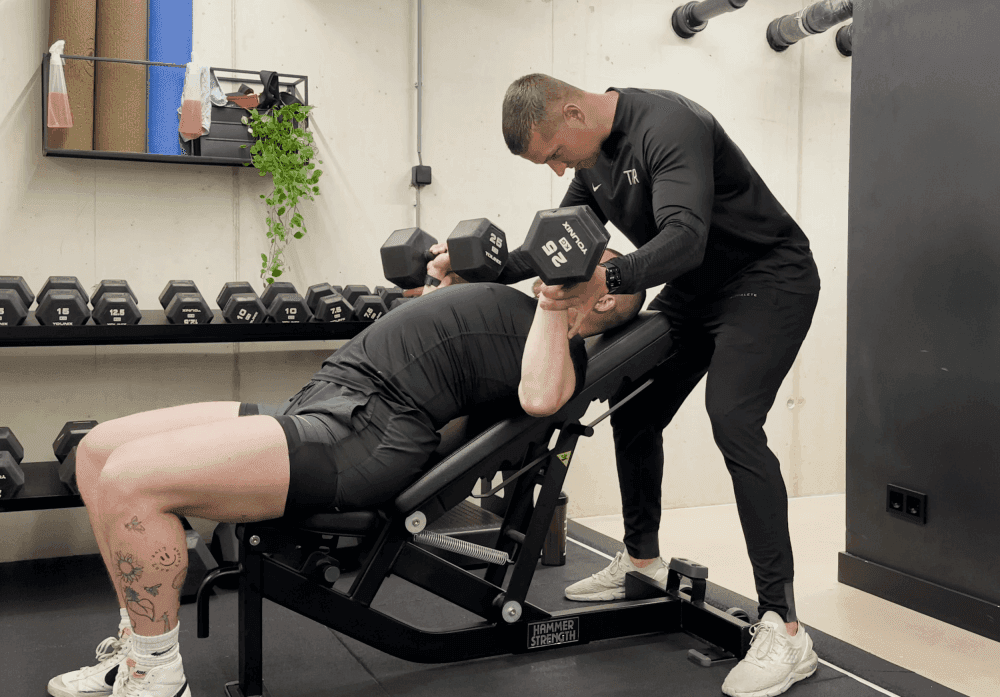
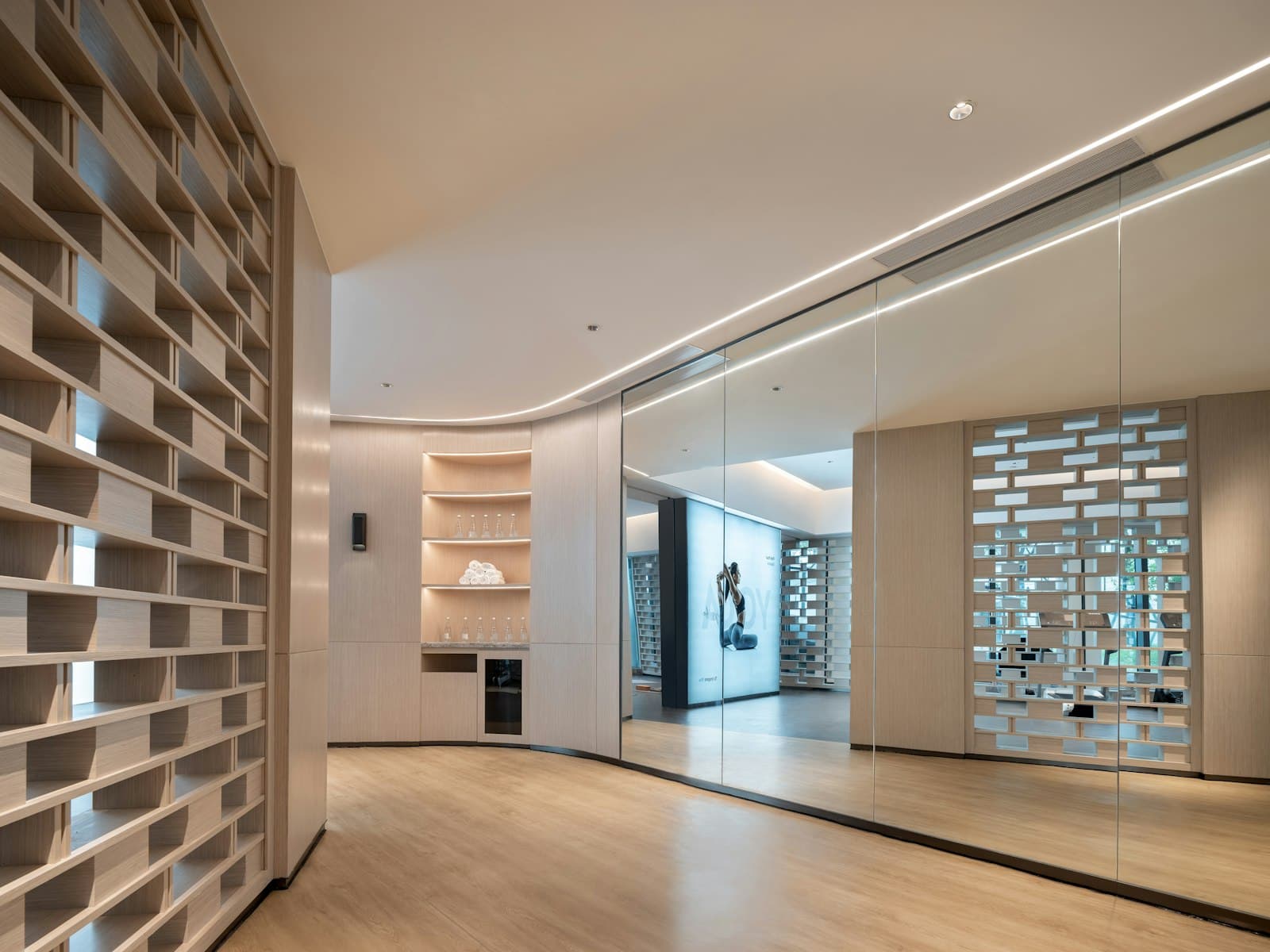
- A private, well-equipped environment — no queuing for equipment, no distractions, no self-consciousness
The Amsterdam scene specifically
Amsterdam has a growing number of high-quality private studios. When comparing options, prioritise:
- Private studios over commercial-gym floors — fewer distractions, better equipment access, a more personal environment
- Coaches who cap their roster — a trainer taking unlimited clients can't give any of them real attention; a deliberate limit is a quality signal
- Evidence-based methodology over fitness fads — the fundamentals (progressive overload, adequate protein, a sustainable deficit, consistency) haven't changed in decades, whatever social media is selling this month
The bottom line
The best personal trainer in Amsterdam is the one who treats your transformation as a science project, not a service transaction. They measure everything, personalise everything, and stay accountable to your results even between sessions.
That's the standard True Results holds every client to. If you want to experience the difference, book a free consultation.