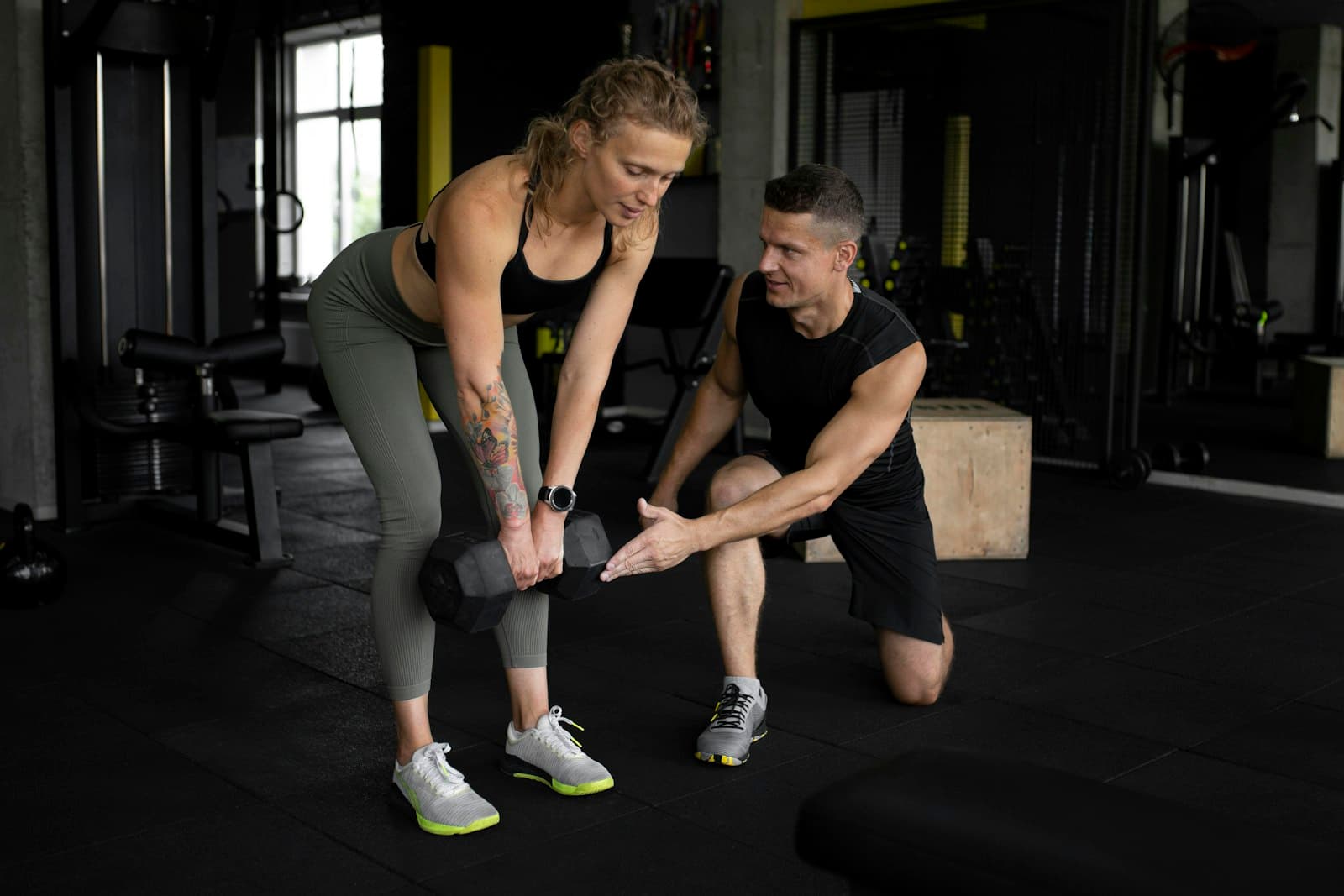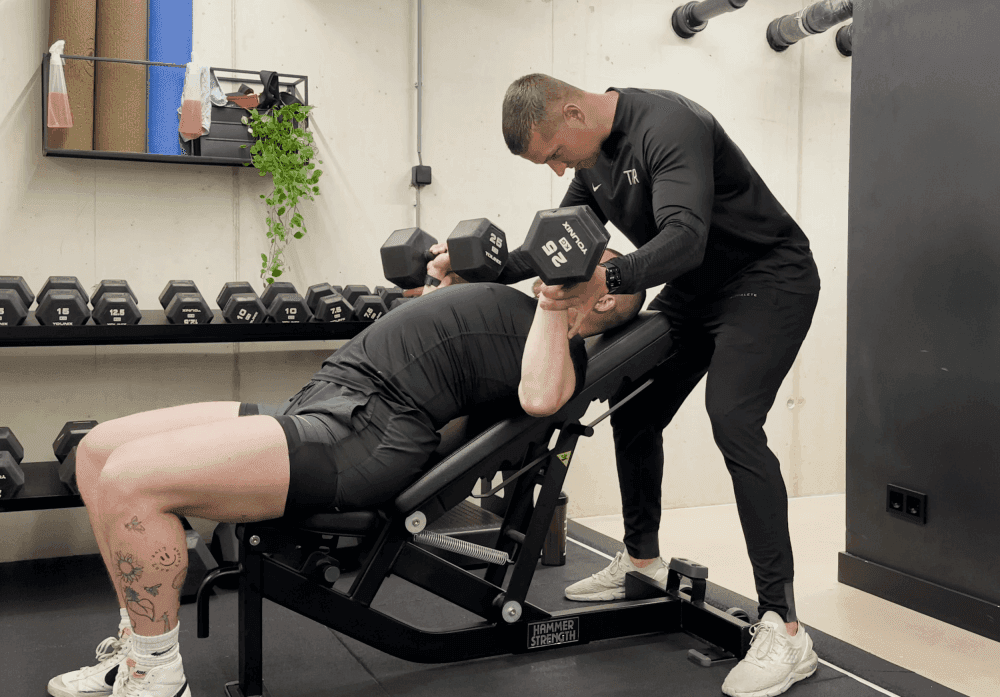
Personal training isn't cheap, and anyone considering it deserves an honest answer rather than a sales pitch. So let's be straight about what you're really buying, when it genuinely pays off, and when your money is better spent elsewhere.
You're not paying for someone to count reps
The biggest misconception is that a personal trainer is an expensive rep-counter or a motivational presence. The real value sits in four things:
- A plan built for you. Not a template — a programme matched to your body, history, injuries, schedule, and goals, updated as you progress. The right plan is the difference between months of progress and months of spinning your wheels.
- Expert technique. Good coaching means faster results and — just as importantly — far fewer injuries. One avoided back or shoulder injury can save you months of setback and pay for the coaching outright.
- Accountability. This is where most solo attempts die. A booked, paid session you'll actually attend, plus someone tracking your data and noticing when you drift, changes behaviour in a way willpower alone rarely does.
- Compressed experience. You're renting years of expertise. A good coach has already made — and learned from — the mistakes you'd otherwise spend years making yourself.
The real maths: cost per result, not per hour
People evaluate trainers by hourly rate. That's the wrong lens. The right question is cost per result and time saved.
Consider the alternative: most people who go it alone spend years cycling through fads, plateaus, and restarts — gym memberships paid and barely used, supplements bought and wasted, motivation found and lost. Add up two or three years of that and the ‘cheap’ DIY route has often cost more money and delivered no result. A few focused months with a coach that actually gets you to your goal can be the cheaper path once you count the wasted years it replaces.
If your time has value — and for busy professionals it clearly does — paying to compress two years of trial and error into a few months of guided progress is often an obvious trade.
When it's genuinely worth it
- You've tried alone and stalled. If self-directed effort hasn't worked, more of the same won't either. An expert eye is the missing piece.
- You value your time. You'd rather pay to skip the learning curve than spend years on it.
- You're injury-prone or returning from one. Technique and intelligent programming are worth a great deal here.
- You want it done properly, once. Rather than another half-attempt, you want a real result you can then maintain.
When it might not be
- You're already progressing well alone, enjoy the process, and have the knowledge — in which case keep going.
- You can't commit to showing up. Coaching amplifies consistency; it can't manufacture it from nothing. If you won't attend, the spend is wasted.
- The price genuinely strains your finances. A good coach won't want you under that pressure — online coaching or a structured self-led plan may fit better for now.
The bottom line
Personal training is worth it when you weigh it as results-per-month and avoided mistakes, not as an hourly rate — and when you'll actually engage with the process. For someone who's stalled, values their time, and wants the result done right, it's frequently the cheapest route once you account for the wasted years it replaces.
The honest way to find out is to talk it through. Book a free consultation — no pressure, just a straight conversation about whether it's the right call for you.